PP Strap vs. PET Strap: Key Differences
PP strap and PET strap are both widely used for industrial packaging, but they are not interchangeable in every application. The main differences are material density, production process, production cost, finished product price, and load capability.
PP strap is commonly used for light to medium-duty packaging. PET strap is generally selected for heavier products that require stronger holding force and better tension retention. For equipment buyers and production managers, the correct choice should be based on both market demand and production capability.
Material Difference
PP strap is made from polypropylene. PET strap is made from polyethylene terephthalate. PET has a higher density than PP, so at the same width, thickness, and length, PET strap weighs more than PP strap.
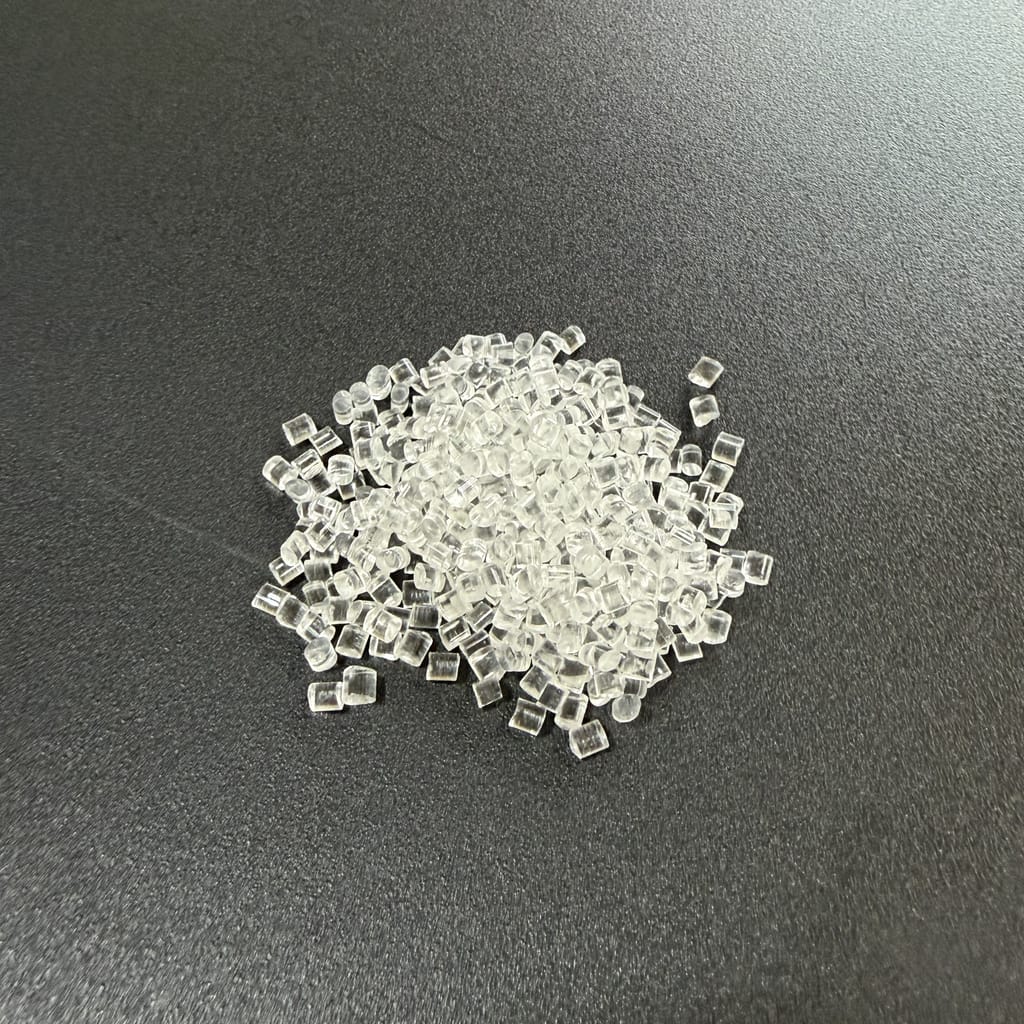
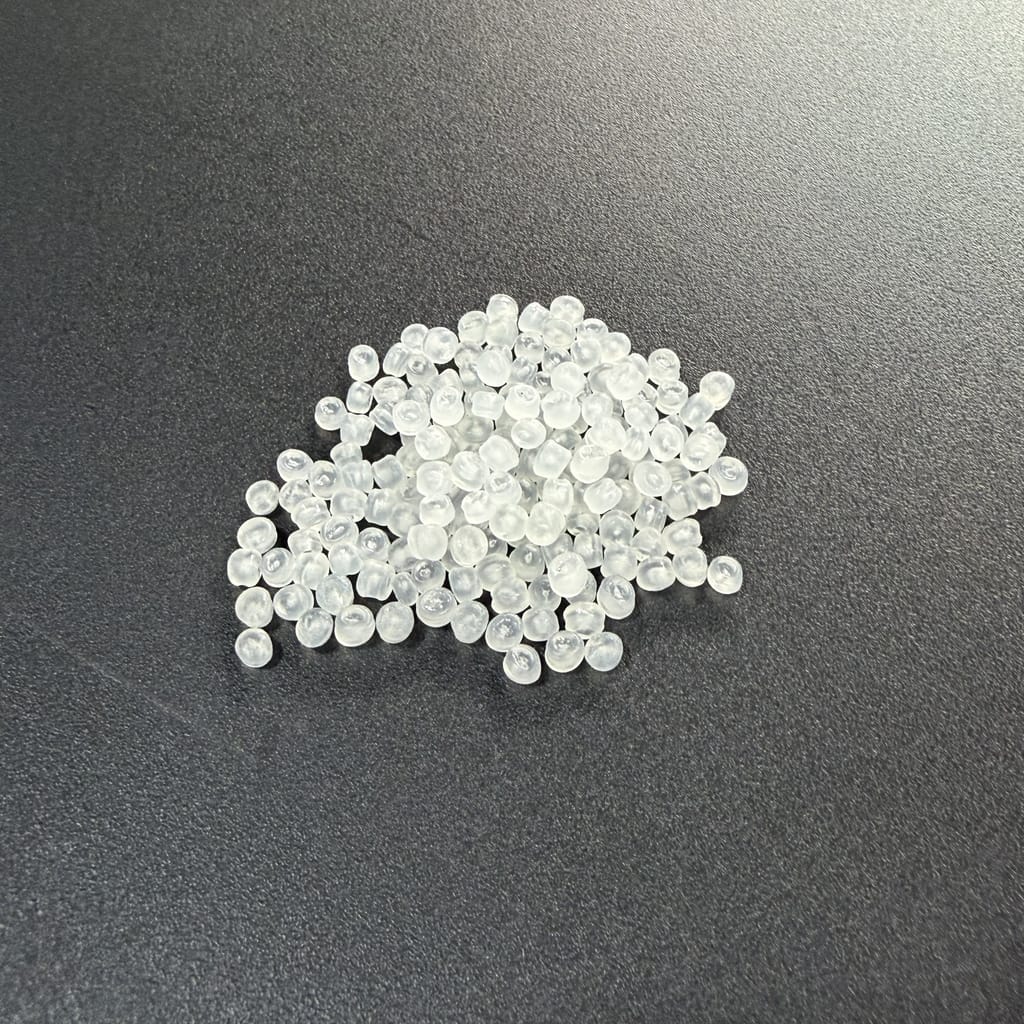
This is important when comparing cost. A simple price-per-kg comparison does not show the full picture because PP and PET do not produce the same strap length from the same material weight.
| Item | PP Strap | PET Strap |
|---|---|---|
| Material | Polypropylene | Polyethylene terephthalate |
| Density | Lower | Higher |
| Strap weight | Lighter | Heavier |
| Flexibility | Higher | Lower |
| Strength | Suitable for light to medium loads | Suitable for medium to heavy loads |
| Tension retention | Moderate | Better |
PP strap is more flexible and easier to handle. PET strap is stiffer and stronger, making it more suitable for heavy packages, long storage, and transport conditions where strap tension must be maintained.
Production Difference
PP strap production is generally simpler than PET strap production. PP material is usually less sensitive to moisture during extrusion, so the line configuration and operation are often easier to manage.
PET strap production requires more careful material preparation. PET is sensitive to moisture during extrusion. If the material is not dried properly, the strap can lose strength or show unstable quality. For this reason, a PET strap extrusion line normally requires a dryer.
| Process Factor | PP Strap Production | PET Strap Production |
|---|---|---|
| Dryer | Usually not required | Normally required for stable production |
| Process difficulty | Lower | Higher |
| Moisture control | Less critical | Very important |
| Operator skill | Moderate | Higher |
| Quality control focus | Size, winding, appearance | Drying, strength, stretching, size, winding |
For PET strap, the drying system should be considered part of the core production process. Dryer temperature, drying time, material condition, and recycled material quality can directly affect final strap performance.
Production Cost Difference
Production cost is affected by raw material price, energy use, labor, maintenance, waste rate, and line investment. In general, PP strap is easier to produce and may have a lower process cost because it does not normally require PET-level drying control.
PET strap production can have higher operating cost because of:
- Additional dryer operation
- Higher energy consumption from drying
- More careful process control
- Higher sensitivity to material condition
- Potentially higher waste loss if drying or stretching is unstable
However, cost should not be judged only by production difficulty. PET strap can be sold into higher-duty applications where customers require stronger performance. This can support a different pricing structure compared with general-purpose PP strap.
Finished Product Price Difference
PP strap is often positioned as a cost-effective packaging material for general use. It is suitable for customers who need stable quality, easy handling, and competitive pricing for light to medium loads.
PET strap is often positioned at a higher price level than PP strap because it is used for stronger and heavier-duty applications. The higher price is related to material density, drying requirements, production complexity, and performance expectations.
| Price Factor | PP Strap | PET Strap |
|---|---|---|
| Product positioning | General packaging | Heavy-duty packaging |
| Typical price level | Lower | Higher |
| Production complexity | Lower | Higher |
| Customer priority | Economy and flexibility | Strength and tension retention |
| Main value | Cost-effective packaging | Higher load capability |
A plant should compare not only selling price per kg, but also selling price per meter, strap strength, application type, and customer requirements. In many cases, PET strap may look more expensive by weight, but it can provide the performance required for heavier loads where PP strap is not suitable.
Application Difference
The biggest product difference is load capability. PP strap is suitable for lighter packages, while PET strap can be used for heavier products.
| Application | Common Strap Type | Reason |
|---|---|---|
| Carton bundling | PP | Flexible and economical |
| Printed materials | PP | Suitable holding force |
| Light palletizing | PP | Good for moderate load |
| Heavy palletized bottles and cans | PET | Better tension retention |
| Lumber and panels | PET | Higher strength |
| Bricks and blocks | PET | Suitable for heavy loads |
| Metal products | PET | Stronger holding performance |
PP strap is a practical choice when the product is not too heavy and the packaging does not require high retained tension. PET strap is more suitable when the package is heavy, rigid, or exposed to vibration during transport.
Equipment Selection Guideline
When choosing between a PP strap extrusion line and a PET strap extrusion line, the decision should start from the target market.
For PP strap production, the main focus is usually stable output, easy operation, consistent strap size, and good winding quality. For PET strap production, the line must also provide reliable drying, stable extrusion, controlled stretching, and consistent strength.
Key questions before investment include:
- What strap width and thickness will be produced?
- Will the main customers use the strap for light, medium, or heavy loads?
- Is the target market more price-sensitive or performance-sensitive?
- Will virgin material, recycled material, or mixed material be used?
- What roll size and winding quality does the market require?
Practical Conclusion
PP strap is a good fit when the market needs economical packaging for cartons, printed materials, parcels, and other light to medium-duty products. It is also easier to start with when the production team wants a simpler process and broad general packaging demand.
PET strap is a better fit when customers care more about retained tension, transport stability, and heavier load performance than the lowest packaging cost. The production line needs stronger drying and process control, but the finished product can serve applications that PP strap may not cover well.
In simple terms, PP strap is selected for economy and easier operation, while PET strap is selected for strength and heavy-load performance. The right choice depends on the customer's packaging requirement, the target selling price, and the production capability of the plant.