How to Select a PP/PET Strap Line Manufacturer
Choosing a PP or PET strap extrusion line manufacturer affects production cost, line availability, strap consistency, operator workload, and finished-roll quality.
A low initial price can look attractive during procurement. However, strap production is a continuous process. If the line stops frequently, uses more power than expected, produces unstable dimensions, or creates winding defects, the real cost can exceed the purchase price difference.
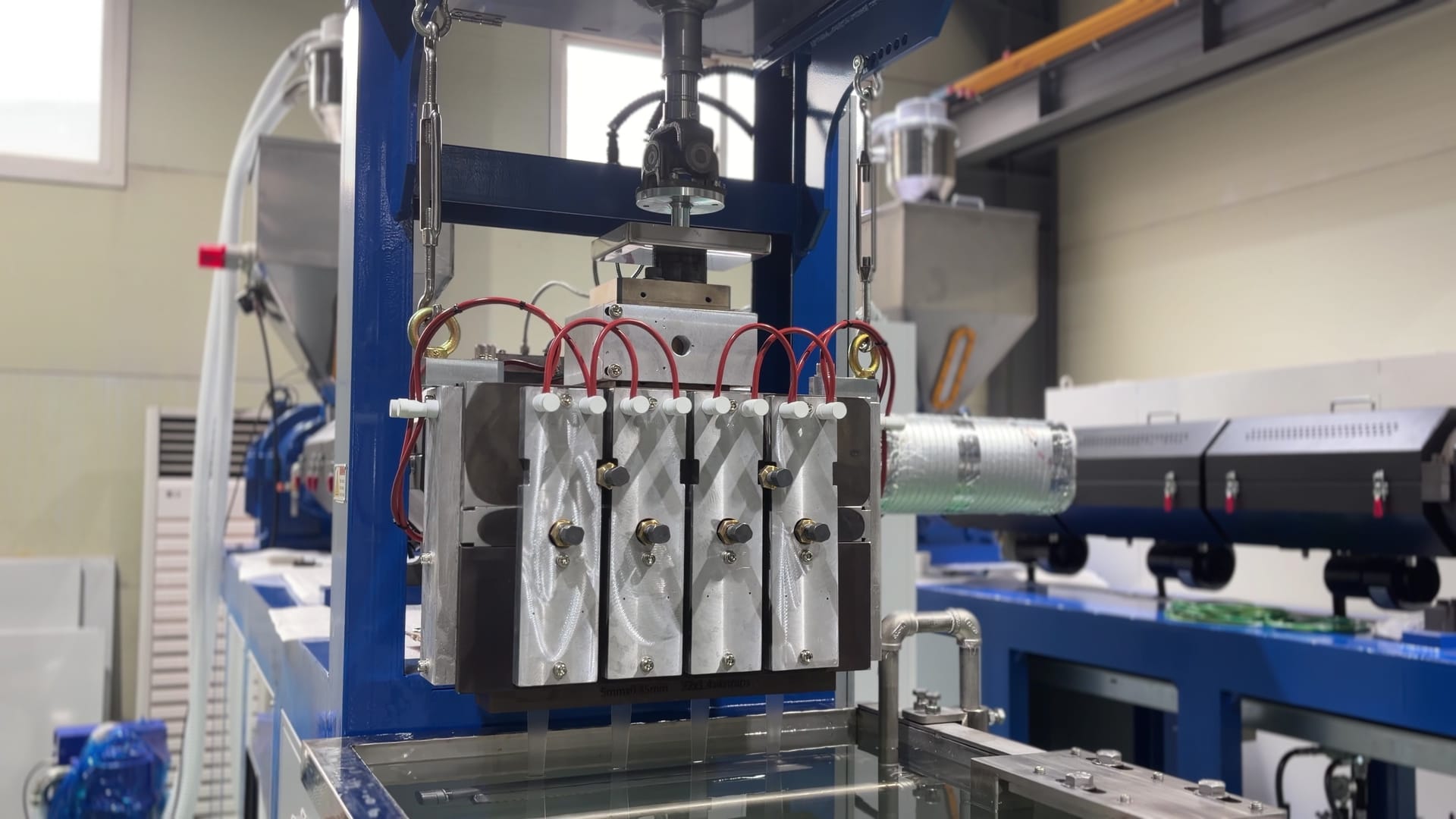
A better selection process compares operating value, not only equipment price.
Evaluate Total Cost, Not Only Purchase Price
The machine price is visible on the quotation. Hidden costs appear later:
- Unplanned downtime
- Higher energy consumption
- Excessive wasted material during start-up or size changes
- Inconsistent strap width, thickness, or tensile performance
- Extra operator attention to keep the line stable
- Poor roll formation that causes customer complaints
- Slow response when technical support is needed
For a strap plant, a stable line that costs more at the beginning may still be the lower-cost option. The key question is not "Which line is cheapest?" but "Which line keeps producing acceptable strap at the lowest practical cost?"
| Purchase Focus | Practical Check |
|---|---|
| Low machine price | Will downtime, wasted material, and extra labor increase after installation? |
| Stable production | Can the line maintain acceptable strap quality during normal shifts? |
| Operating cost | Is energy use controlled enough to support competitive production cost? |
| Supplier capability | Can the manufacturer support start-up, training, and troubleshooting? |
Production Consistency Is a Core Requirement
PP and PET strap customers expect repeatable strength, dimensions, and winding condition. A line that runs well only with highly experienced operators creates risk.
Ask how the line controls the main sources of variation:
- Feeding and drying, especially for PET
- Melt temperature stability
- Die flow balance across strap lanes
- Stretching temperature and ratio
- Winding tension and traverse movement
The supplier should explain how each section is controlled and what operators should monitor. Vague answers are a warning sign.
Energy Efficiency Affects Competitiveness
Energy cost is one of the major operating costs in extrusion. Efficient equipment helps a strap producer protect margin.
Energy efficiency is not only about a smaller motor. It includes the complete line design:
- Motor capacity and drive control
- Heater design and insulation
- Stable temperature control without large fluctuations
- PET drying system efficiency
- Mechanical load reduction
- Standby and start-up control logic
These points help buyers evaluate whether the line can support economical operation during continuous production.
Winding Quality Matters at the Final Stage
Winding is the last step before the strap becomes a sellable product. Even if extrusion quality is acceptable, poor winding can create rejected rolls, unstable unwinding, or machine problems at the customer's site.
Important winding points include:
- Stable winding tension from core to full roll
- Good traverse accuracy
- Clean roll edge formation
- Smooth changeover procedure
- Required roll and core compatibility
For high-volume plants, fully automatic winding can reduce labor and improve consistency. For operations with more product variation or lower output, semi-automatic winding may be practical. The manufacturer should recommend a system based on volume, strap specification, labor, and customer requirements.
Technical Support and Process Experience
A strap extrusion line is a process system, not a stand-alone machine. Installation, start-up, training, and troubleshooting require practical experience.
Before selecting a supplier, evaluate support for the full production lifecycle:
- Layout and utility review
- Commissioning support
- Operator training
- PP or PET process guidance
- Spare parts availability
- Troubleshooting support
A manufacturer with real extrusion and winding experience can often identify root causes faster. This matters when the line is stopped.
Practical Conclusion
The best PP/PET strap line manufacturer is not always the lowest bidder. A good supplier should help the plant produce stable strap, reduce downtime, manage energy cost, and deliver usable rolls.
For buyers, the decision is based on production economics: line stability, product consistency, energy efficiency, winding quality, and technical support.